Find natural synephrine citrus aurantium extract for supplements, weight management, and energy drinks
Explore 30 listings for natural synephrine citrus aurantium extract sourced from China. Buyers can compare specifications like purity, packaging, and certifications to find suitable options for health food and pharmaceutical applications.
Key considerations
Products List




Comprehensive Sourcing Guide
Strategic Sourcing Guide for Natural Synephrine Citrus Aurantium Extract
Procuring natural synephrine derived from Citrus Aurantium requires a disciplined approach that balances botanical authenticity with rigorous chemical specification. Buyers in the health food, pharmaceutical, and dietary supplement sectors must navigate a complex landscape where the distinction between raw botanical material and standardized chemical intermediates is critical. The core keyword, natural synephrine citrus aurantium extract, points to a specific active ingredient used primarily for metabolic support and energy metabolism. However, the supply chain for this material is diverse, ranging from simple fruit powders to highly purified synthesis material intermediates. This guide outlines the essential technical, compliance, and operational factors necessary for a successful procurement strategy, relying strictly on verified product attributes and industry standards.
Technical Specifications and Chemical Identity
The foundation of any successful sourcing agreement lies in the precise definition of the product's technical specifications. For natural synephrine, the primary active ingredient is Synephrine, often identified chemically as Synephrine HCl. The botanical source is consistently cited as Citrus Aurantium L., specifically utilizing the fruit or immature bitter orange parts. Buyers must verify that the product is derived from the correct plant part, as the concentration of active compounds varies significantly between the peel, fruit, and seeds.
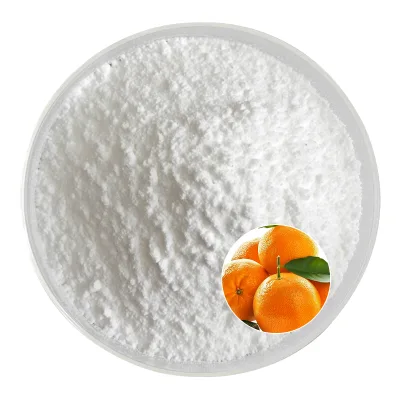
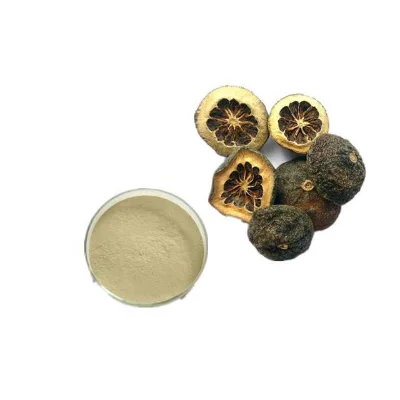
The physical state of the extract is a critical observation point. Market listings indicate that the product typically appears as a white powder or a fine brown powder, depending on the extraction method and purity level. The standard assay for the active ingredient is a key differentiator. While some raw extracts may contain as little as 6% Synephrine, highly refined versions are available with assay levels reaching 98% or 99%. This variance directly impacts the dosage form and the intended application. For instance, a 50% or 98% specification suggests a standardized extract suitable for high-potency formulations, whereas lower percentages may be intended for general dietary integration.
The extraction type is predominantly solvent extraction, a method that ensures the efficient recovery of the alkaloid from the plant matrix. The product is often categorized under synthesis material intermediates or flavonoids, reflecting its dual nature as a processed chemical entity and a botanical derivative. Buyers should also note the CAS numbers associated with the material, such as 520-33-2 for specific hesperetin variants or 94-07-5 for the core synephrine compound, to ensure chemical identity matches the regulatory requirements of the target market.
Compliance, Certification, and Quality Standards
In the global health food and pharmaceutical sectors, compliance is not merely a preference but a prerequisite for market entry. The supply chain for Citrus Aurantium extracts is subject to various international standards. Verified product data indicates that reputable suppliers often hold HACCP (Hazard Analysis and Critical Control Points) and ISO certifications. These certifications are essential for demonstrating that the manufacturing process adheres to strict hygiene and quality management protocols.
Beyond general certifications, specific chemical limits must be verified to ensure safety. The product specifications often include rigorous limits for heavy metals and contaminants. Buyers should expect to see test results confirming that heavy metals do not exceed 10ppm, with specific limits for Arsenic (as) at 2ppm, Cadmium (CD) at 1ppm, and Mercury (Hg) at 0.1ppm. These thresholds are critical for regulatory compliance in regions like the United States, the European Union, and Asia.
Microbiological safety is equally important. The total plate count should typically remain below 10,000cfu/G, and the total yeast and mold count should be under 1,000cfu/G. Loss on drying is another critical parameter, often capped at 5.0% to ensure the product is not overly hydrated, which could affect shelf life and stability. Residue on ignition, often limited to 12.0%, provides insight into the inorganic content and the purity of the organic matrix. Buyers must insist on a Certificate of Analysis (CoA) that explicitly details these values, as the absence of such data is a significant red flag in the B2B procurement process.
Cost Drivers and Pricing Dynamics
The pricing of natural synephrine extract is influenced by a complex interplay of factors, primarily the concentration of the active ingredient and the degree of processing. The observed market range for these products spans from 1 to 620 USD, a wide disparity that reflects the difference between bulk raw botanical powder and high-purity chemical intermediates. A product with a 98% or 99% assay will command a significantly higher price per kilogram compared to a 6% extract, as the latter requires more material to achieve the same therapeutic effect.
The packaging format also plays a role in the final cost structure. Products are available in various configurations, including 1kg bags, 25kg drums, bottles, cans, and vacuum-packed containers. The single package size is often standardized around 23x13x16 cm for smaller units, while bulk drums are designed for industrial shipping. The Minimum Order Quantity (MOQ) is another variable, typically ranging from 1 unit to 50 units. Smaller MOQs allow for sample testing and lower-risk entry but may come with a higher unit price. Conversely, larger orders often benefit from economies of scale but require a higher upfront capital commitment.
Additionally, the origin of the product affects cost. The majority of the supply originates from Jiangsu and Shanxi in China, regions known for their extensive botanical processing infrastructure. While these locations offer competitive pricing due to established supply chains, buyers must factor in logistics, import duties, and potential currency fluctuations when calculating the total landed cost. The grade of the product, such as "health food grade," also influences the price, as higher grades imply stricter quality controls and additional testing costs.
Typical Applications and Usage Scenarios
The versatility of natural synephrine from Citrus Aurantium makes it a valuable ingredient across multiple industries. The primary application is in the health food sector, where it is utilized for its metabolic properties. The extract is commonly found in dietary supplements aimed at weight management, energy enhancement, and metabolic support. The specific application of the product can be tailored to the concentration; for example, high-purity Synephrine HCl is often used in capsule or tablet formulations, while lower concentration powders may be incorporated into functional beverages or food bars.
The product is also categorized as a synthesis material intermediate, indicating its use in the manufacturing of other chemical compounds or pharmaceutical ingredients. This dual application expands the potential buyer base beyond the consumer health market to include industrial chemical manufacturers. The "All Seasons" availability of the raw material ensures a consistent supply chain, which is crucial for manufacturers who cannot afford production interruptions.
Furthermore, the botanical nature of the extract appeals to consumers seeking "natural" alternatives to synthetic stimulants. The use of immature bitter orange fruit aligns with the clean-label trend, where transparency about the source of ingredients is highly valued. Buyers should consider the specific needs of their end consumers when selecting the appropriate specification, as the visual appearance (white vs. brown powder) and taste profile can influence the final product's market acceptance.
Supplier Evaluation and Operational Logistics
Selecting the right supplier requires a thorough evaluation of their operational capabilities and logistical reliability. The supply chain for Citrus Aurantium extract is concentrated in specific regions of China, with Jiangsu and Shanxi being the primary hubs. Buyers should verify the place of origin to ensure the product meets regional quality standards and to assess the logistical feasibility of the shipment. The cultivation method is typically artificial planting, which allows for controlled harvesting and consistent quality, but buyers should confirm that the farming practices align with their sustainability goals.
Packaging and storage are critical operational considerations. The product requires storage in a cool, dry place to maintain stability and potency. The shelf life is generally two years, provided the storage conditions are met. The packaging options, ranging from vacuum-packed containers to drums, must be selected based on the buyer's inventory management capabilities and the intended duration of storage. For long-term storage, vacuum packing is often preferred to prevent oxidation and moisture absorption.
Lead times and customization availability are also key factors. Many suppliers offer customization services, allowing buyers to tailor the extraction ratio, particle size, or packaging to their specific needs. However, the availability of samples, such as Synephrine HCl, should be confirmed prior to placing a bulk order. The ability to obtain a sample for in-house testing is a vital step in the supplier evaluation process, as it allows the buyer to verify the product's quality against their internal standards before committing to a large purchase.
Quality Control and Long-Term Procurement Strategy
Establishing a robust quality control (QC) protocol is essential for maintaining product integrity throughout the supply chain. Buyers should implement a multi-stage QC process that includes incoming inspection, in-process testing, and final product verification. The use of HPLC (High-Performance Liquid Chromatography) and UV spectroscopy is standard for verifying the assay of Synephrine. These analytical methods provide the precision necessary to confirm that the active ingredient content matches the declared specification, whether it is 6%, 50%, or 98%.
Long-term procurement strategies should focus on building relationships with suppliers who demonstrate consistency in quality and reliability. The variability in product attributes, such as the appearance of the powder or the specific botanical source, necessitates a flexible yet rigorous approach to specification management. Buyers should establish clear acceptance criteria for all critical quality attributes, including heavy metal limits, microbial counts, and assay percentages.
Furthermore, the procurement strategy should account for the dynamic nature of the market. As regulations evolve and consumer preferences shift, the demand for specific grades of Citrus Aurantium extract may change. Maintaining a diversified supplier base can mitigate the risk of supply disruptions and provide leverage in negotiations. Regular audits of supplier facilities and continuous monitoring of test results will ensure that the procurement process remains aligned with the highest standards of quality and safety. By adhering to these principles, buyers can secure a reliable supply of natural synephrine that meets the rigorous demands of the global health and wellness market.
FAQs
What is the active ingredient in natural synephrine citrus aurantium extract?
The active ingredient is Synephrine HCl, often derived from Citrus Aurantium. Specifications vary from 6% to 98% purity, with some products offering 99% assay levels for high-potency applications.
Which certifications are available for natural synephrine citrus aurantium extract?
Reputable suppliers often hold HACCP and ISO certifications to ensure quality management. These standards verify that manufacturing processes adhere to strict hygiene protocols required for health food and pharmaceutical sectors.
How is natural synephrine citrus aurantium extract typically packaged for shipment?
Packaging options include 1kg bags, 25kg drums, bottles, cans, and vacuum-packed containers. The single package size is often 23x13x16 cm, while bulk drums are designed for industrial shipping requirements.
Can I find natural synephrine citrus aurantium extract with low heavy metal content?
Yes, products are tested to ensure heavy metals do not exceed 10ppm. Specific limits include Arsenic at 2ppm, Cadmium at 1ppm, and Mercury at 0.1ppm to meet safety standards.
What is the shelf life of natural synephrine citrus aurantium extract?
The shelf life is generally two years when stored correctly. Buyers must keep the product in a cool, dry place to maintain stability and potency throughout the storage period.
Which extraction type is used for natural synephrine citrus aurantium extract?
The primary extraction method is solvent extraction to efficiently recover the alkaloid. This process ensures the active ingredient is isolated from the plant matrix while maintaining chemical identity.
What is the minimum order quantity for natural synephrine citrus aurantium extract?
The minimum order quantity ranges from 1 to 50 units depending on the supplier. Smaller MOQs allow for sample testing, while larger orders may benefit from economies of scale.
Where is natural synephrine citrus aurantium extract typically sourced from?
The product originates from regions like Jiangsu and Shanxi in China. These locations offer established botanical processing infrastructure and competitive pricing for health food grade materials.